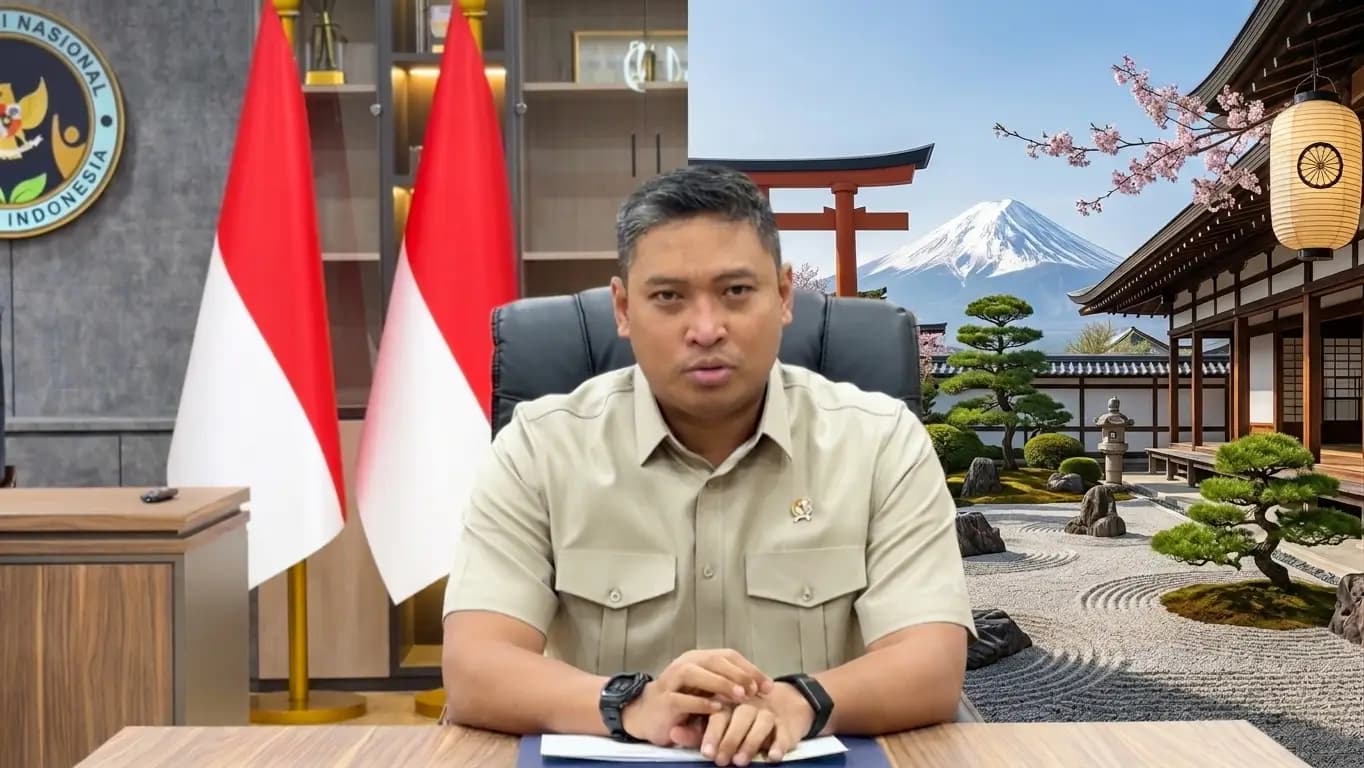
AniEvo ID – This story comes from NOWDOTS: the government's Free Nutritious Meals program (MBG) is now entering a new phase. With plenty of operational challenges and food quality evaluations still ongoing at home, the head of the National Nutrition Agency (BGN), Sudaryono, is heading straight to Japan to study the country's school lunch system, known as Kyushoku, which has been running for decades.
The trip is meant to find solutions to problems with logistics, hygiene standards and efficient food distribution for tens of millions of schoolchildren across Indonesia.
Focusing on Lessons from the Kyushoku System
Japan is known for having one of the best school lunch programs in the world. The Kyushoku system, in place since the 19th century, isn't just about children's daily nutrition, but also about strict hygiene standards throughout the entire supply chain.
Through this visit, BGN is focusing on several key points:
- Central kitchen management: Learning how to run large kitchens that can cook thousands of portions every day without sacrificing quality or taste.
- Hygiene and food safety standards: Adopting cold chain protocols and strict sanitation procedures to reduce the risk of spoiled food or food poisoning.
- Nutrition education integrated into school activities: Seeing how Japan turns lunchtime into part of students' character education and independence.
Cooperation with JICA
As part of his agenda, Sudaryono is also meeting with the Japan International Cooperation Agency (JICA). The cooperation is aimed at transferring technical know-how, drafting SOPs and mapping local food supply chains so that local ingredients can be absorbed as much as possible.
“There's no shame in learning from a country that has successfully run this for years. What matters is that we can adapt the best system and tailor it to Indonesia's local wisdom and geographical conditions,” said Sudaryono.
An Answer to Domestic Evaluations
The early rollout of MBG in Indonesia has indeed drawn plenty of criticism, ranging from inconsistent menu standards between regions and distribution delays to hygiene problems in provider kitchens.
The study trip to Japan is expected to be more than just a comparison exercise, producing a new blueprint for BGN's operations instead. By combining the precision of the Japanese system with the strength of Indonesia's local ingredients, the MBG program is expected to become more effective, safe and sustainable in preparing the Golden Generation 2045.